CALIFORNIA DIRECT BUYER REVIEW
ELECTRICAL TRANSFORMER BUYERS IN SAN FRANCISCO, CA
Sellers in San Francisco, California can present electrical transformers with current photos, nameplates, ratings, quantity, condition, pickup access, and timing.
SEND PHOTOS. START WITH WHAT YOU HAVE.
A PRACTICAL BUYER FOR EXCESS ELECTRICAL EQUIPMENT.
Send current photographs, readable nameplates, ratings, configuration, quantity, condition, documents, pickup location, access, and timing. The form stays near the top so sellers can request a review without scrolling through the full guide.
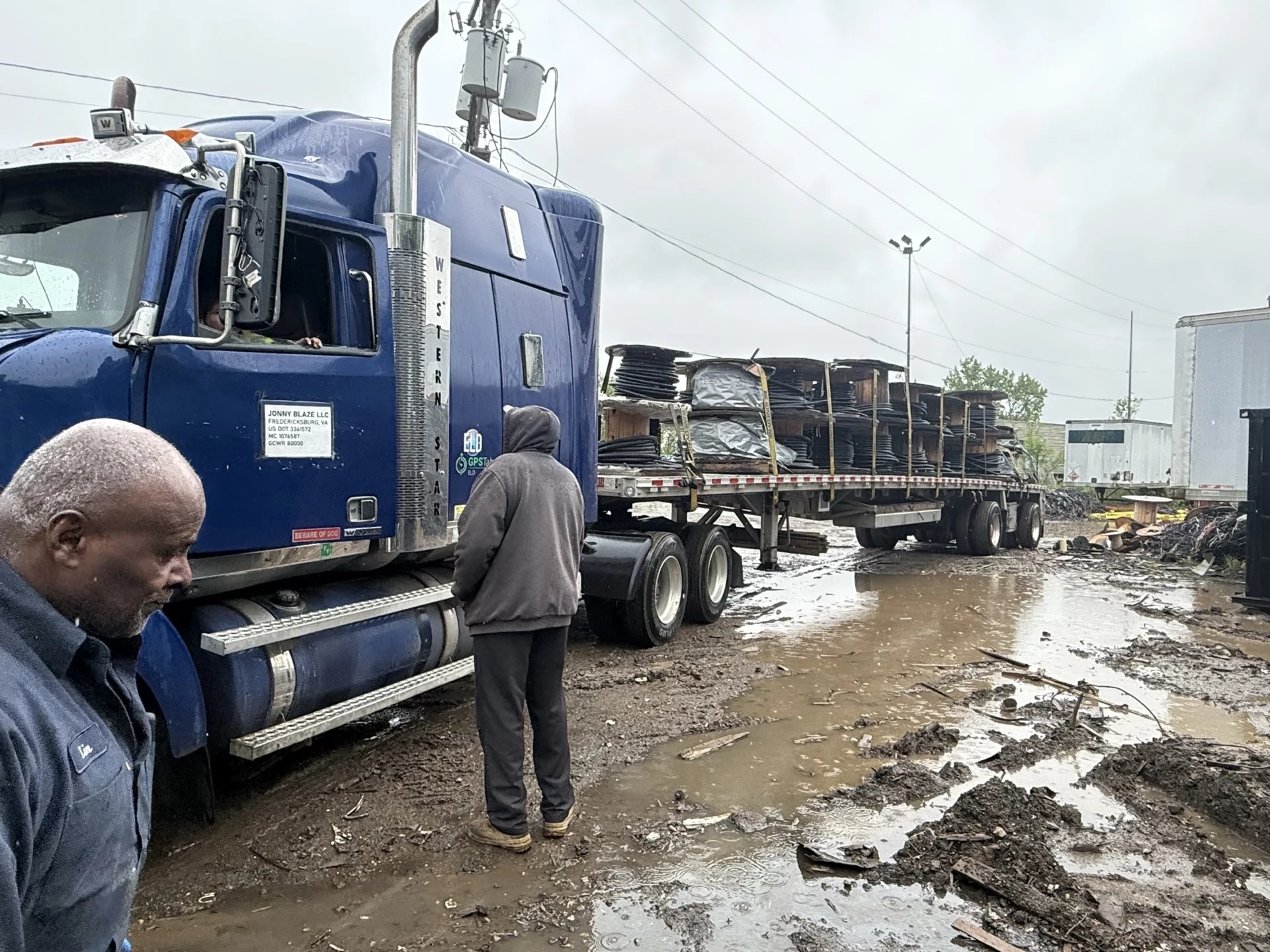
START WITH EVIDENCE
DOCUMENT THE ACTUAL EQUIPMENT
Sellers in San Francisco, California can present electrical transformers with current photos, nameplates, ratings, quantity, condition, pickup access, and timing. A useful review begins with current evidence rather than an automatic price promise. Photograph the complete asset, every nameplate, enclosure sides, connection points, controls, accessories, spare parts, visible damage, and the route to the loading area. Internal photographs should be taken only when equipment is safely de-energized and site rules permit access.
San Francisco is a catalog service-area route. This page does not claim a staffed office, warehouse, yard, employee, or storefront in San Francisco. Equipment is reviewed remotely first, and logistics are coordinated only for an approved transaction at the documented pickup location.
For electrical transformers in San Francisco, California, identify manufacturer, model, serial or catalog number, year when known, voltage, amperage, phase, frequency, capacity, enclosure, configuration, quantity, operating status, storage history, modifications, missing components, and why the material became surplus. A readable nameplate is better than an uncertain estimate.
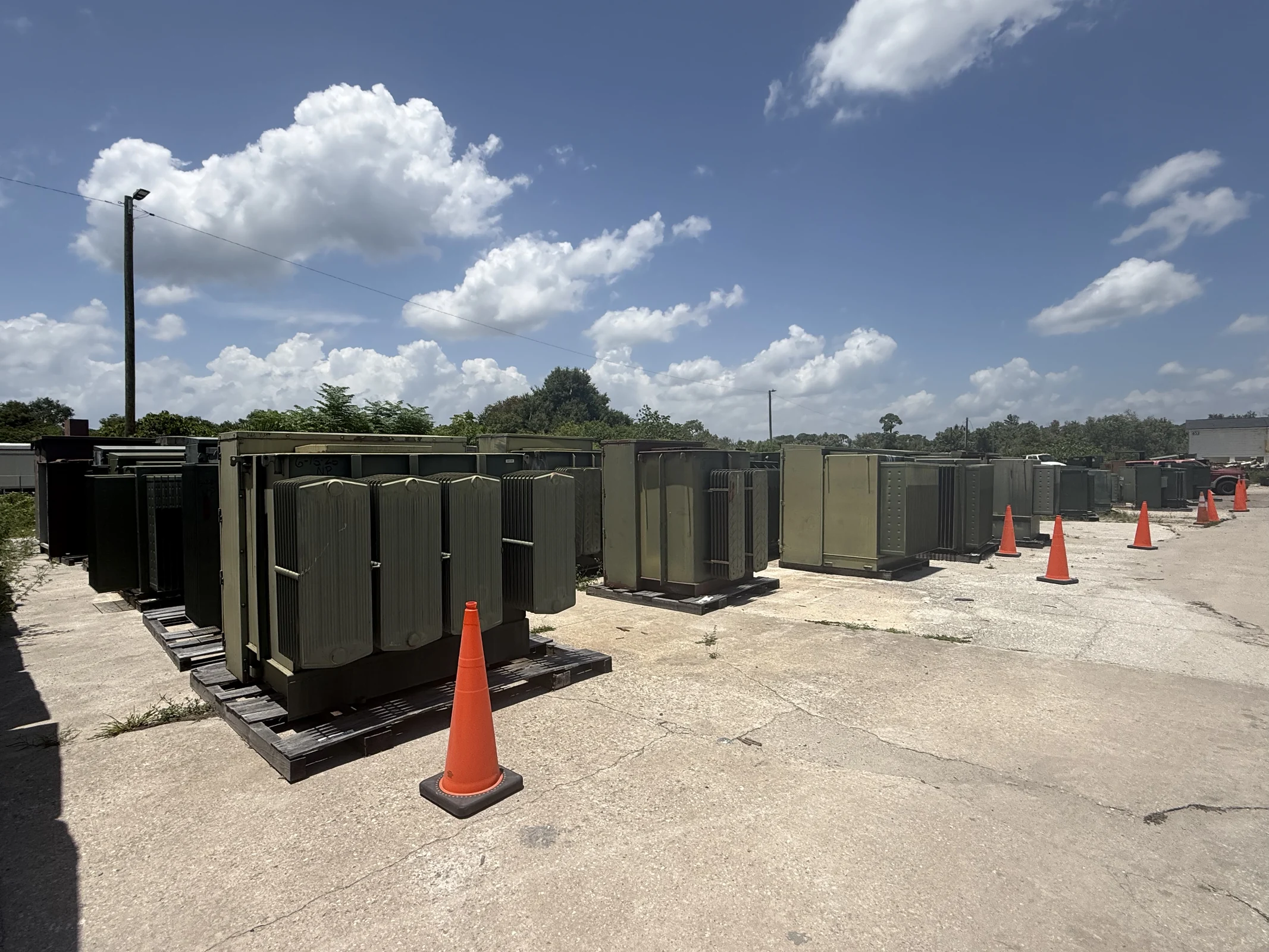
IDENTIFICATION & CONDITION
NAMEPLATES CHANGE THE CONVERSATION
A review of electrical transformers may consider reel length, conductor metal, gauge, insulation type, voltage rating, age, storage, cut ends, and documentation. Another asset may require kVA, primary and secondary voltage, phase, frequency, impedance, cooling class, taps, fluid status, enclosure, and test history. Complete identification helps distinguish reusable equipment, matching spares, component inventory, project material, and ordinary scrap.
List major assets separately when a lot contains different voltages, capacities, frame sizes, manufacturers, vintages, or conditions. An inventory can be simple, but each line item should connect to the correct photographs and known condition.
Disclose arc damage, water or fire exposure, corrosion, missing doors, cut bus, stripped copper, cracked insulators, broken bushings, oil leaks, contamination concerns, failed tests, nonfunctional controls, field modifications, and incomplete sections. Honest condition reporting supports safer logistics and a more useful decision.
Do not energize unknown equipment, open energized compartments, defeat interlocks, touch exposed conductors, drain transformer fluid, or climb on unsecured equipment to create a submission. Qualified site personnel remain responsible for electrical safety, testing, isolation, environmental compliance, and access control.
WHO SELLS SURPLUS
PROJECT TAKEOUTS, SPARES & COMPLETE FACILITIES
Common sellers include utilities, municipalities, mining operations, manufacturers, and petroleum facilities decommissioning equipment and distributors and service organizations consolidating obsolete, duplicate, or slow-moving electrical stock. Surplus may result from expansion, voltage conversion, preventive replacement, standardization, canceled construction, maintenance-stock reduction, consolidation, lease turnover, insurance resolution, demolition, or complete decommissioning.
A transaction can involve a breaker, transformer, switchgear lineup, MCC, generator package, cable reels, substations, spare-parts rooms, or a complete plant electrical scope. Quantity alone does not determine fit. Identity, completeness, condition, demand, timing, location, loading, freight, and removal complexity all matter.
Preserve one-line drawings, test reports, maintenance records, oil analysis, PCB documentation when relevant, manuals, bills of material, breaker lists, relay information, spare keys, loose hardware, matching buckets, controls, and project photographs. Document complete equipment before dismantling.
REMOVAL & LOGISTICS
PLAN THE PATH OUT BEFORE PRICING FREIGHT
For equipment in San Francisco, California, explain shutdown status, isolation boundaries, lockout control, disconnect points, cable removal, housekeeping pads, and adjacent energized systems. Also document equipment dimensions and weight, floor loading, stairs, roof openings, pits, overhead clearance, rigging path, and restoration obligations. Provide dimensions and weights when known and show the loading route with photographs rather than assuming a standard dock or open yard.
Electrical disconnection, demolition, rigging, crane work, transformer-fluid handling, environmental work, patching, conduit removal, permits, union labor, and restoration are separate scopes unless written terms include them. Qualified contractors and site representatives control safety and compliance.
For an approved purchase, written terms should identify price, payment timing, included equipment, exclusions, removal responsibility, freight, loading, schedule, access, insurance requirements, site contacts, and what happens if actual condition or quantity differs.
VALUE FACTORS
EQUIPMENT VALUE IS NOT JUST METAL WEIGHT
A direct review may consider reuse demand, specifications, completeness, matching components, repair needs, testing history, obsolescence, location, removal cost, and freight in addition to recoverable commodity value. Some equipment will fit reuse or parts channels; other material may be practical only for recycling. No outcome is promised before the facts are reviewed.
Nameplates and configuration frequently matter more than exterior appearance. A clean cabinet with missing breakers or cut bus can be less useful than a weathered but complete unit with documented ratings. A transformer with fluid documentation, breaker with the correct trip unit, or cable with verifiable conductor and length information can be assessed more accurately than unidentified material.
Market demand changes. Manufacturer, model, voltage class, capacity, condition, testing, quantity, geography, deadline, access, and freight can alter a decision. West Electrical Buyers may request more information, separate a mixed lot into categories, decline equipment, or explain that recycling is more appropriate.
BEFORE YOU SUBMIT
MAKE THE FIRST REVIEW USEFUL
Send wide photographs showing scale and context, then close photographs of nameplates and control labels. Include front, rear, sides, cable compartments when safely accessible, breakers, buckets, bus, bushings, radiators, gauges, leaks, rust, impact damage, cut conductors, missing parts, spare inventory, and the loading route.
State the outcome you need and when. A flexible warehouse cleanout differs from an outage, demolition, real-estate closing, or lease turnover with a fixed deadline. Mention shutdown restrictions, security, escort requirements, working hours, loading support, storage conditions, multiple locations, and whether equipment is still installed.
The next step is a direct review, not an automatic purchase. Call, text current photos, or use the form near the top. A buyer can then explain whether more photographs, measurements, inventories, drawings, test records, environmental documents, rigging details, or site information are needed.
READY FOR A DIRECT REVIEW?
KEEP THE NAMEPLATES. SEND THE PHOTOS.
Use the offer form near the top of this page, or call and text current equipment details to begin.